Drinkware
How to Choose the Right Beer Glassware for 10 Common Styles
Pour the same pilsner into a mason jar and into a tall, tapered flute, and you are not drinking the same beer. The liquid is identical; the experience is not. Glass shape decides how much aroma reaches your nose, how long the head survives, how quickly the beer warms in your hand, and how much lands on your tongue with each sip. Get the glass roughly right and a well-made beer tastes like the brewer intended. Get it wrong and you spend the evening wondering what the fuss was about.
How Shape Actually Changes a Beer
Before buying anything, it helps to know what you are asking a glass to do. Four things matter: rim width, bowl width, taper, and wall thickness.
- Rim width controls aroma. A narrow rim funnels volatile hop oils and esters toward your nose. A wide, open rim lets them drift away — which is fine for malt-forward beers, less fine for a hazy IPA.
- Bowl width gives aroma somewhere to gather. A wide bowl with a narrowing top traps what the beer releases. A straight-sided glass gives those compounds an easy exit.
- Wall thickness changes temperature. Thick glass takes longer to warm from your hand, which suits a cold lager. Thin, stemmed glass warms faster, which is what you want with a strong ale you plan to sip for an hour.
- The rim steers the sip. A flared or tulip-shaped mouth directs beer to different parts of your tongue, which is why the same liquid can read as crisp in one glass and soft in another.
One more factor: foam. Carbonation needs a rough surface to cling to, and a narrower opening slows the escape of gas, so the head sits tighter and lasts longer. That is why some glasses have an etched ring or pattern in the base — it keeps bubbles forming.
Pilsners, Helles, and Crisp Lagers
Delicate, pale, and best very cold. Tall, narrow, tapered glasses — the classic pilsner flute, or the straight-sided Willi Becher with its slight shoulder — do three useful things at once: they show off the color, hold a compact head, and limit surface area so the beer stays carbonated and cold.
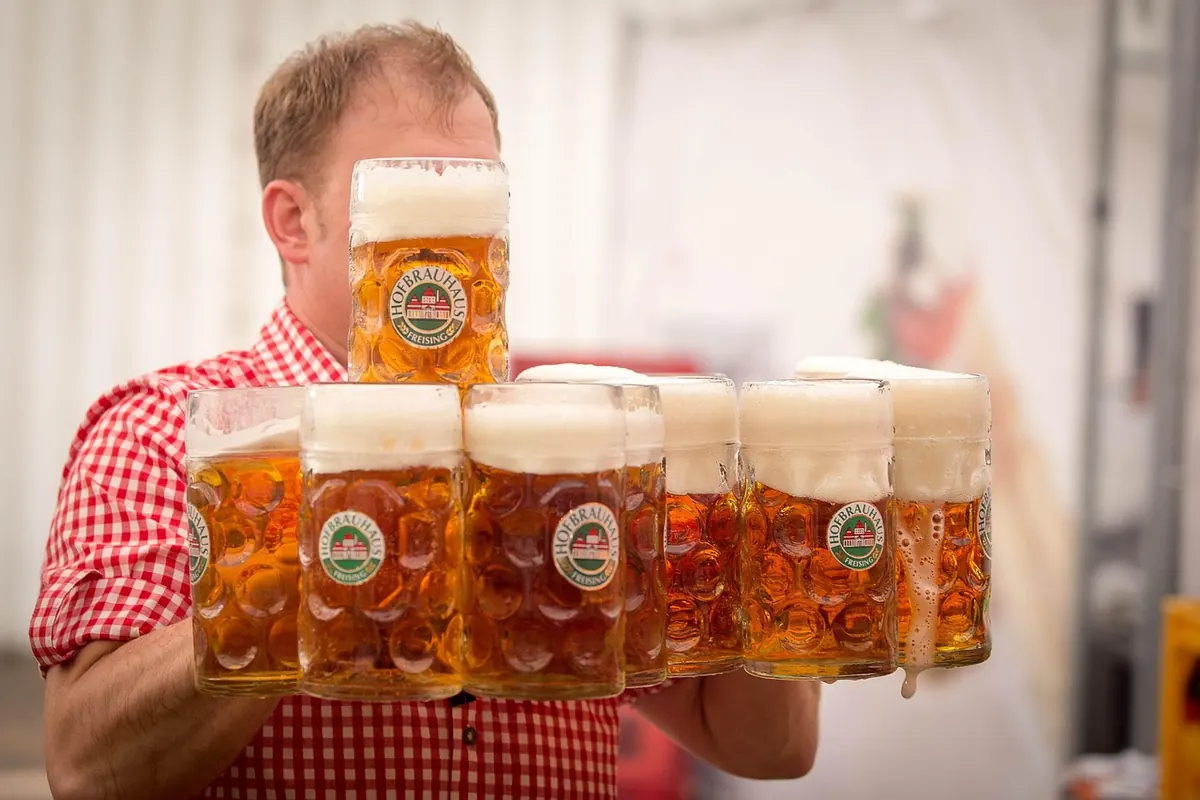
For German-style lagers, the Willi Becher is close to ideal. It leaves room for a proper two-finger head and a narrow enough top to keep that bready malt and grassy hop aroma in place. A thick-walled mug works for an Oktoberfest-style lager you plan to drink slowly outdoors. Kölsch gets its own answer: the stange, a slender 0.2-liter column meant to be finished before it warms, then refilled.
The shaker pint is the wrong tool here. It is wide-mouthed, thin, and built for volume, so the aroma escapes and the beer flattens before you finish it.
Hop-Forward Beers: IPA and Pale Ale
Hop aroma is fragile. Wide rims kill it.
A tulip or a stemmed glass with a bulbous bowl and gently flared lip is the safest choice for an IPA. The bowl collects the citrus, pine, and tropical notes; the narrowing top concentrates them; the flare keeps foam from spilling over while still letting you drink comfortably. If you own only one "serious" beer glass, this is the one.
The ridged IPA glasses you see in taprooms are shaped around the same idea — a narrow waist you can grip, a wider bowl, and a lip that delivers beer to the front of the palate. They work. But a plain stemmed tulip does nearly the same job for less cabinet space, and it handles a pale ale, a saison, or a dubbel just as well.
Wheat Beers: Wide at the Top for a Reason
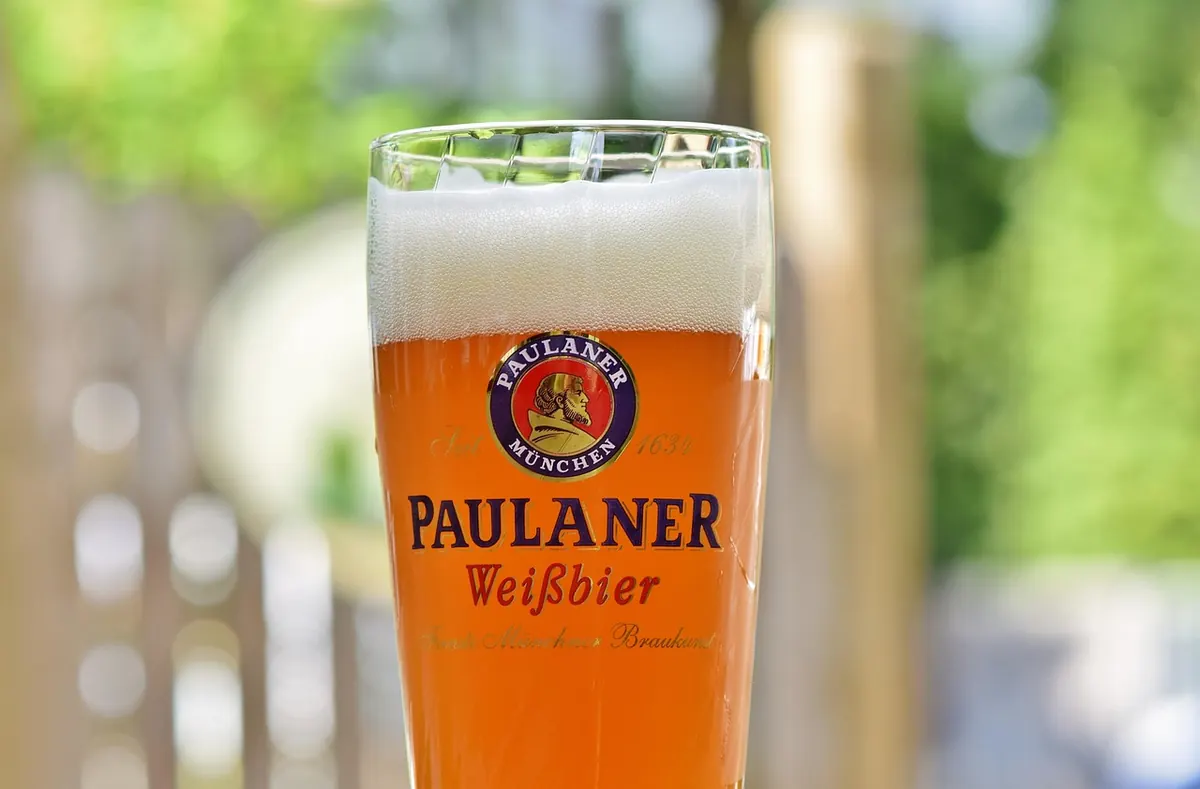
A German wheat beer wants a tall vase shape — narrow at the base, flaring generously toward the rim — usually half a liter. That wide mouth is deliberate: it accommodates the enormous rocky head a weizen throws, and it lets you pour the beer fairly aggressively without a mess.
The wide top does release some aroma, but with banana and clove yeast character, that is not a problem. A gentle swirl before each sip brings it back. The traditional move is to leave a finger of beer and the yeast sediment in the bottle, swirl it, and pour it on top of the foam — that last bit carries most of the flavor.
Stouts and Porters
The default is an Irish-style pint, and the gentle bulge in the middle is more than decoration: it gives the head a place to build and settle, which matters for a nitrogenated stout with its fine, creamy cascade.
For anything richer — a milk stout, a Baltic porter, or an imperial stout — reach for a tulip or a snifter instead. Smaller pour, bigger glass. Roasted malt, coffee, chocolate, and dried fruit aromas need a bowl to gather in, and a high-ABV beer benefits from a rim that slows you down. Pour six to eight ounces into a ten-ounce glass; the extra headspace is the point.
Belgian Ales, Sours, and Strong Sippers
Chalices and goblets
Dubbels, quads, and abbey ales traditionally arrive in a wide, thick-walled chalice or goblet. The broad bowl releases the yeast esters and dark sugar richness, and the heavy glass is meant to be cradled — warming the beer in your hands is part of the ritual, not a mistake.
Snifters
Barleywines, quadrupels, and barrel-aged beers do well in a snifter. Small pour, wide bowl, narrow rim. Swirl it, smell it, sip it slowly.
Sours and wild ales
Gueuze often comes in a champagne flute, which keeps the sharp carbonation and acidity focused. Goses and fruited sours are happy in a stemmed tulip or even a good wine glass. Anything with lactobacillus or brettanomyces is best served in a glass you have rinsed thoroughly and never washed with scented soap — those aromas will show up in the beer.
Washing, Storing, and Pouring
Glassware is only as good as its condition. Detergent residue destroys head retention faster than anything else, and a freezer-frosted glass numbs the aroma you chose the shape to highlight. A simple routine keeps everything working:
- Hand-wash in hot water with a small amount of unscented detergent, or skip soap entirely for beer-only glasses.
- Rinse longer than feels necessary. If the glass squeaks when you rub the inside, it is clean.
- Air-dry upside down on a rack, then store upright in a cupboard that does not smell of wood or cedar.
- Chill in the fridge if you must — not the freezer — and only for lagers and light ales.
- Pour down the side of a tilted glass, then straighten it as it fills and finish with a finger or two of head.
If you would rather not build a shelf of glassware, three shapes cover almost everything: a stemmed tulip, a tall pilsner flute, and a small snifter. Add a wheat beer vase or a proper Irish pint later if those styles show up often in your fridge.
Good glassware is a small upgrade that reads as intentional, much like the shirt you wear to the taproom. Start with the styles you actually drink, and let the collection grow from there.
Photo: Ralphs_Fotos / Pixabay
Related Articles